

Blog
Do Police Have to Roll Down the Window to Test Tint?
Short answer: it depends on the meter. One-piece Tint-Chek meters, the TC1800 and TC2800, slide over the edge of the glass, and the manufacturer’s directions call for rolling the window down at least 3 inches. The two-piece TC3800 places a reflector on the inside of the glass and the instrument on the outside. Whether an officer may require the window to be lowered is a question of state law and agency policy, and at least one state, North Carolina, now addresses it by statute.
Key Takeaways
• TC1800 and TC2800: roll the window down at least 3 inches so the meter can slide over the glass edge.
• TC3800: tests windshield, rear window, and side windows with a reflector unit inside and an instrument unit outside.
• The legal authority to direct a driver or to enter a vehicle is set by your state and agency, not by the meter.
• Plan the test with your agency’s training and policy in mind.
What the One-Piece Meters Require
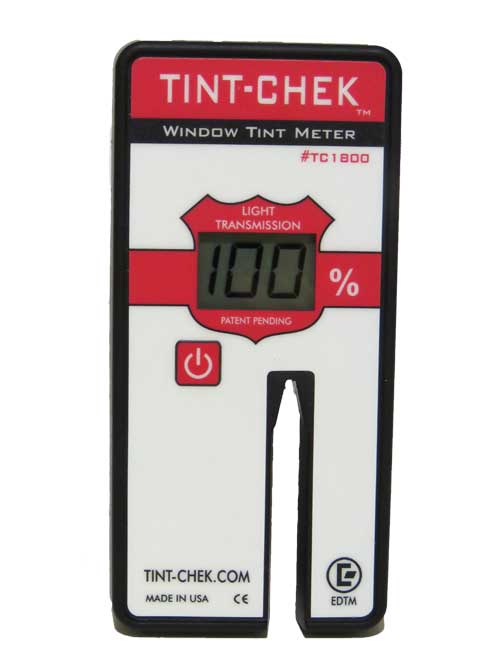
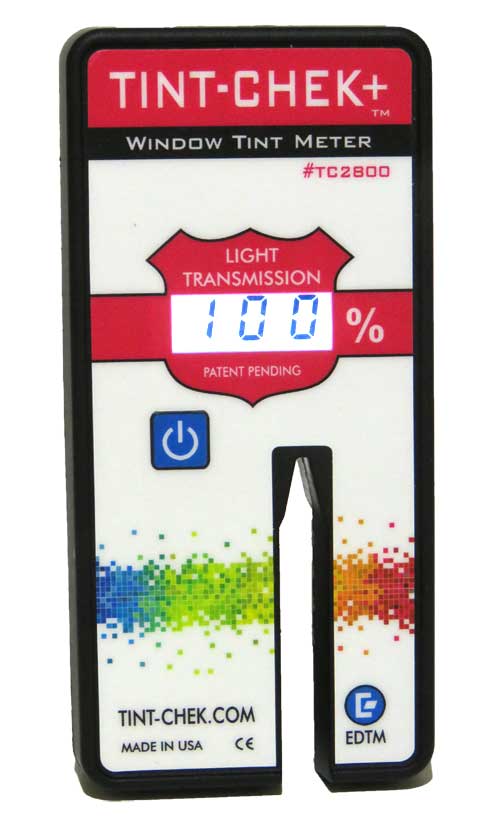
The answer to do police have to roll down the window to test tint starts with how the instrument physically works. The TC1800 and TC2800 have an opening that slides over the edge of the glass, so the window needs to be lowered enough to let the glass enter it. The manufacturer’s quick-start directions say to roll the window down at least 3 inches, clean the glass, turn the meter on and wait for 100%, slide the meter over the edge, read the result, and re-test to confirm.
These meters are slim, about 5.2 inches by 2.5 inches by 1 inch. EDTM notes the slim design makes them easier to slip around the tight edge of a car window that does not open as far.
What the Two-Piece TC3800 Does Differently
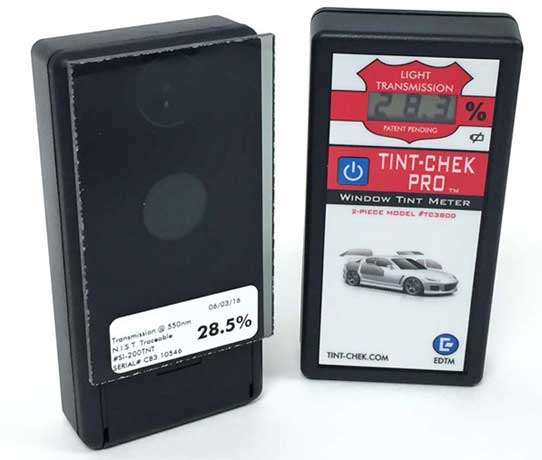
The TC3800 is designed for tint testing of the windshield, rear window, and side windows. Its two units work together:
1. With both units together and no glass between them, turn the instrument on and wait for it to register 100%.
2. Separate the units. Place the reflector unit on the inside of the window and push it firmly so the suction cups hold.
3. Place the instrument unit on the exterior of the glass; the magnets help align the two halves.
4. Press and release the power switch to see the VLT result.
Because the reflector unit sits on the inside of the glass, the TC3800 needs access to the interior side of the window. It does not rely on lowering the window the way the one-piece meters do.
A Tip for Rear Windows
Suction cups will not stick on the defrost lines printed on a rear window. If you cannot find a spot where both cups miss the lines, rotate the reflector unit 90 degrees so both cups sit between the lines.
Some States Address It Directly
At least one state has put the question into law. The North Carolina Department of Transportation reports that, as of December 1, 2025 (S.L. 2025-47), drivers of vehicles with window tinting must roll down the window on the side the officer approaches during a traffic stop. The same law ended window-tint checks as part of North Carolina safety inspections. Other states may have similar provisions or none at all, so check your own statutes.
How Agency Policies Treat It
Agency orders vary, and they are written around the meter in use. One published general order from the Cleveland Division of Police, for example, directs members to ensure the window is rolled down at least halfway for the meter that department uses, limits testing to the front driver and passenger windows, and requires a calibration test before use. Your agency’s order should be written around the meter you actually carry.
Is Lowering the Window Required by Law?
The meter’s design tells you what the instrument needs, not what the law allows. Whether an officer can direct a driver to lower a window, ask for access to the interior, or conduct the test in another way depends on your state, your agency’s policy, and your training. Ask your legal advisor or prosecutor, and do not rely on the meter’s manual to answer a legal question.
Comparing the Models
|
Model |
Design |
How it contacts the glass |
Display |
|
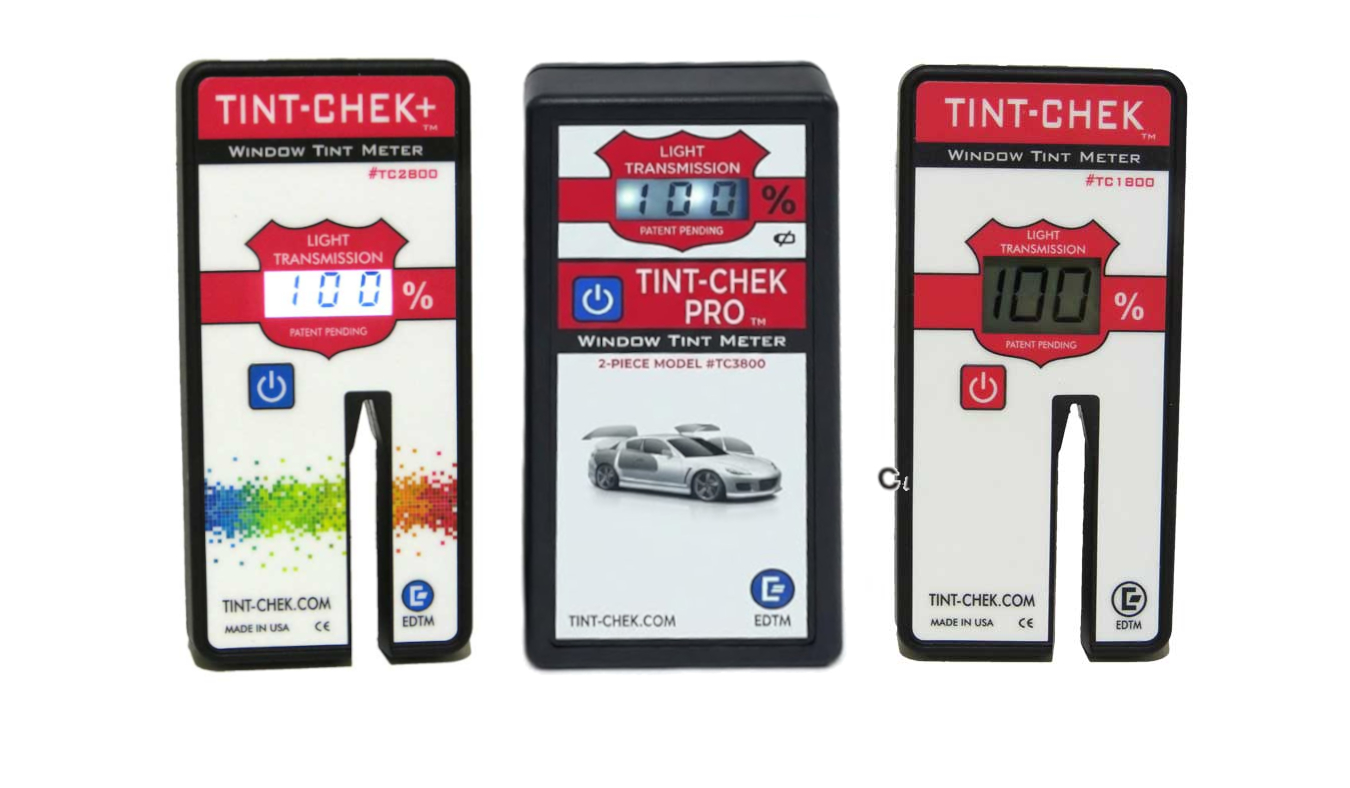
TC1800 |
One-piece |
Slides over the glass edge; window down at least 3 inches |
1% resolution |
|
TC2800 |
One-piece |
Slides over the glass edge; window down at least 3 inches |
0.1% resolution, backlit |
|
TC3800 |
Two-piece |
Reflector on the inside, instrument on the outside |
0.1% resolution, backlit |
Planning the Test
• Know which meter you carry and how it contacts the glass.
• Practice the sequence so you are efficient at the vehicle.
• Decide, within agency policy, when in the stop sequence the test fits.
• Record the reading and the window tested right away.
Your police tint meter choice shapes this planning, so match the meter to the windows and conditions you test most.
When the Window Does Not Open Far
A window that only opens a little is a practical problem for any meter that slides over the glass edge. EDTM says the slim TC1800 and TC2800 are easier to slip around the tight edges of a car window that does not open as far. The quick-start directions still call for lowering the window at least 3 inches, so a meter that needs the glass edge may not be a fit for every situation.
Windshield and Rear Window Testing
The TC3800 is the model designed for windshield and rear window tint. Push the reflector enclosure firmly against the interior glass so the suction cups secure it, then place the instrument on the exterior and let the magnets align the halves. The TC3800 manual also reminds users to keep the reflector area clean and to store the instrument in its carrying case, not in a vehicle overnight during extreme temperatures.
Questions Your Agency Should Answer Ahead of Time
• Under what circumstances may an officer ask a driver to lower a window for testing?
• When is interior access to the glass appropriate, and who handles it?
• Which meter is issued for which windows?
• What should an officer do if the window will not open or the driver refuses?
• How is the test documented in each of these cases?
Putting written answers in policy keeps officers consistent and protects both the officer and the driver.
The Legal Question Behind the Question
Some law enforcement legal training commentary treats placing a tint meter on a vehicle as a search under the Fourth Amendment and says probable cause is needed in that analysis. Courts and states do not all approach it the same way. This article does not take a position. Bring the question to your agency’s legal advisor and follow written policy.
Frequently Asked Questions
How far down does the window need to be for a one-piece meter?
The quick-start directions say at least 3 inches.
Can the TC3800 test a windshield?
Yes. It is designed for windshield, rear window, and side window testing.
Does the TC3800 need to touch both sides of the glass?
Yes. The reflector unit goes on the inside and the instrument unit on the outside.
Can officers legally require a driver to lower the window?
That is a legal and policy question for your state and agency. Ask your legal advisor.
Know Your Meter and Your Policy
Understand how your meter contacts the glass, and follow your agency’s procedures for the stop. Explore Tint-Chek meters made for law enforcement and choose the design that suits your testing.