

Blog
Tint Meter for Motor Officers and Bike Patrol: Testing Tint Without a Cruiser
Motor officers and bike patrol units work without a trunk, a console, or a laptop. Every item has to be carried on the officer or the machine. That changes how a tint meter needs to be chosen, stored, and used.

What Motor and Bike Units Need From a Tint Meter
• Easy to carry: it should fit in a pocket, pouch, or saddlebag without getting in the way. Check the product page for size and weight.
• Simple to operate: officers need a repeatable routine they can complete quickly at the roadside.
• Ready when needed: a meter that is not charged or not working is no help at a stop. Build battery checks into pre-shift routines.
• Protected from the elements: rain, heat, dust, and vibration all take a toll on carried equipment.
Matching the Meter to the Job
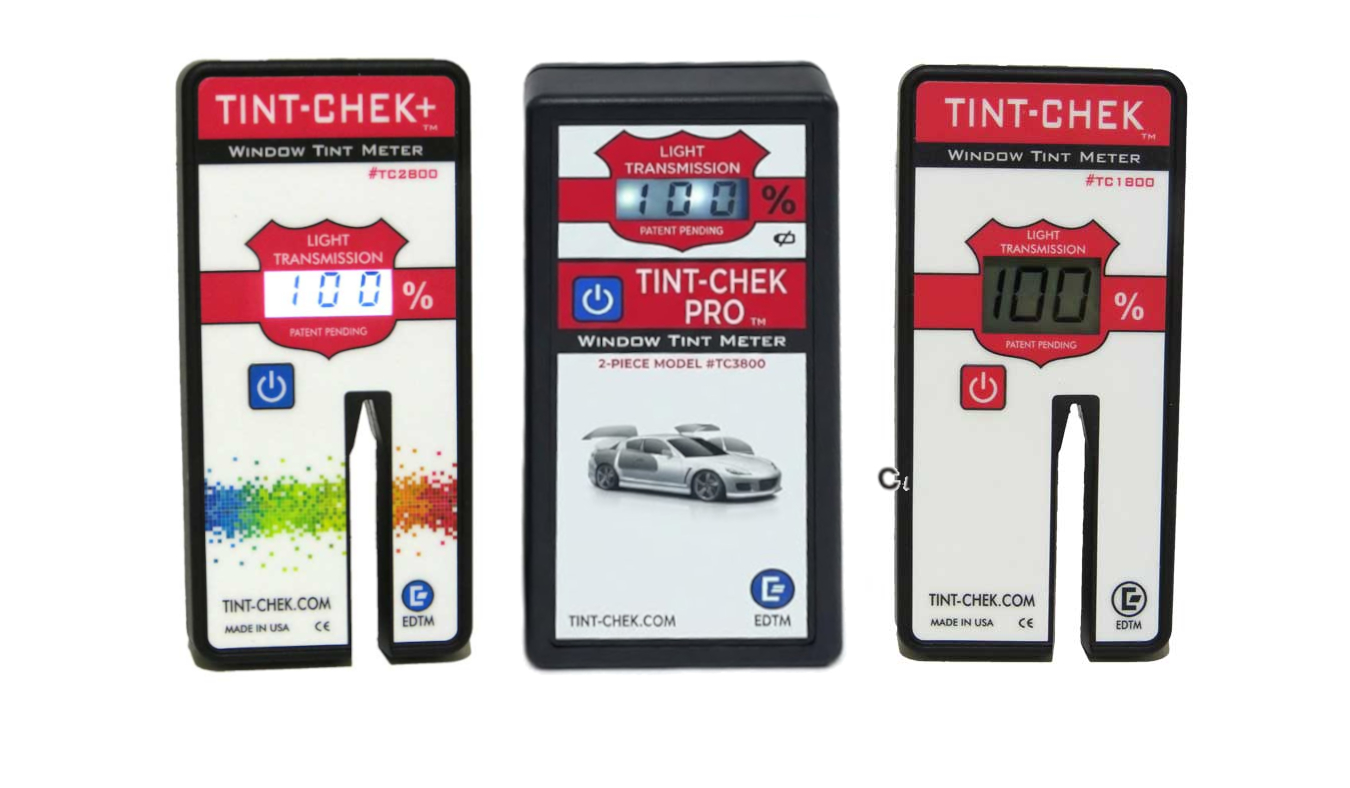
Tint-Chek offers three meters. The TC1800 is the entry-level model, the TC2800 Tint-Chek is a professional-grade meter for accurate VLT readings, and the TC3800 Tint-Chek PRO is the advanced model with a two-piece design. All Tint-Chek meters read accurately to ±2%. The PRO displays readings to the nearest 0.1%, but its accuracy is still ±2%. For a motor or bike unit, compare each model's size and weight on its product page and choose the one that fits how you carry gear.
Carrying and Protecting the Meter
1. Store the meter in a padded case or pouch so it is protected from impact.
2. Keep it dry and out of direct heat when parked.
3. Check the battery and confirm the meter powers on at the start of each shift.
4. Take it out only when needed, and return it to its case after each test.
Testing Safely Without a Cruiser
Without a patrol vehicle as a barrier, positioning matters even more. Park so your machine is visible to traffic, stand where you are protected from passing vehicles, and follow your agency's safety procedures for approaching a stopped vehicle. Treat the test as one step in a controlled stop, not something to rush.
Documenting Without a Computer
Record the reading, the window tested, the meter model and serial number, the date, and the time in your notebook or through your agency's mobile reporting method. Consistent notes make the stop easier to defend later.
For more on choosing equipment that holds up on patrol, read about the durability of a handheld tint tester in the field.
Pre-Shift Checklist
• Confirm the meter powers on and the battery is good.
• Check the case or pouch for damage.
• Make sure documentation tools, such as a notebook or mobile device, are ready.
• Review the current tint limits for your jurisdiction.
Weather and Environment
Motor and bike officers are exposed to rain, heat, cold, and dust that a patrol car would soften. Extreme temperatures can affect electronics and batteries, so follow the manufacturer's guidance on operating conditions and store the meter appropriately between stops.
Training Motor and Bike Units
Run the same training as patrol, then add a session on carrying, staging, and testing without a vehicle. Practice the full routine: park, approach, test, document, and secure the meter. Repetition builds the habit of keeping the meter protected and ready.
Frequently Asked Questions
Can a motor officer test tint without a patrol car?
Yes. A portable meter carried on the officer or the motorcycle can be used at the roadside, provided your agency's procedures for safe positioning are followed.
Which Tint-Chek meter should a bike unit carry?
That depends on how your unit carries gear. Compare the size, weight, and features on each product page, keeping in mind that all models read accurately to ±2%.
Does a motor officer need a different tint meter?
Not necessarily. The key is choosing a model that fits how you carry gear and following the same testing and documentation procedures as patrol.
How should the meter be protected on a motorcycle?
Use a padded case or pouch, keep it dry, and avoid leaving it in direct heat. Follow the manufacturer's guidance.